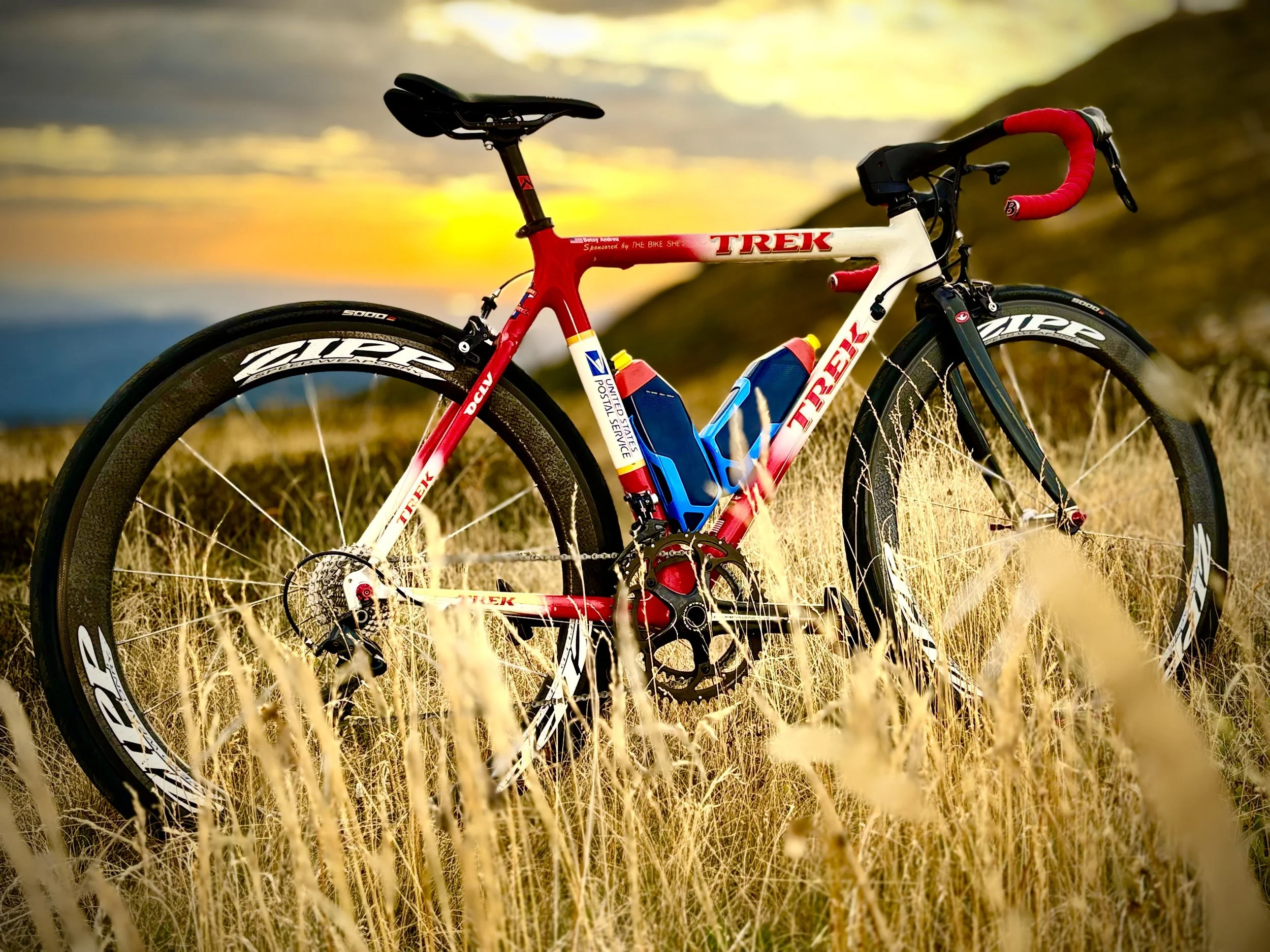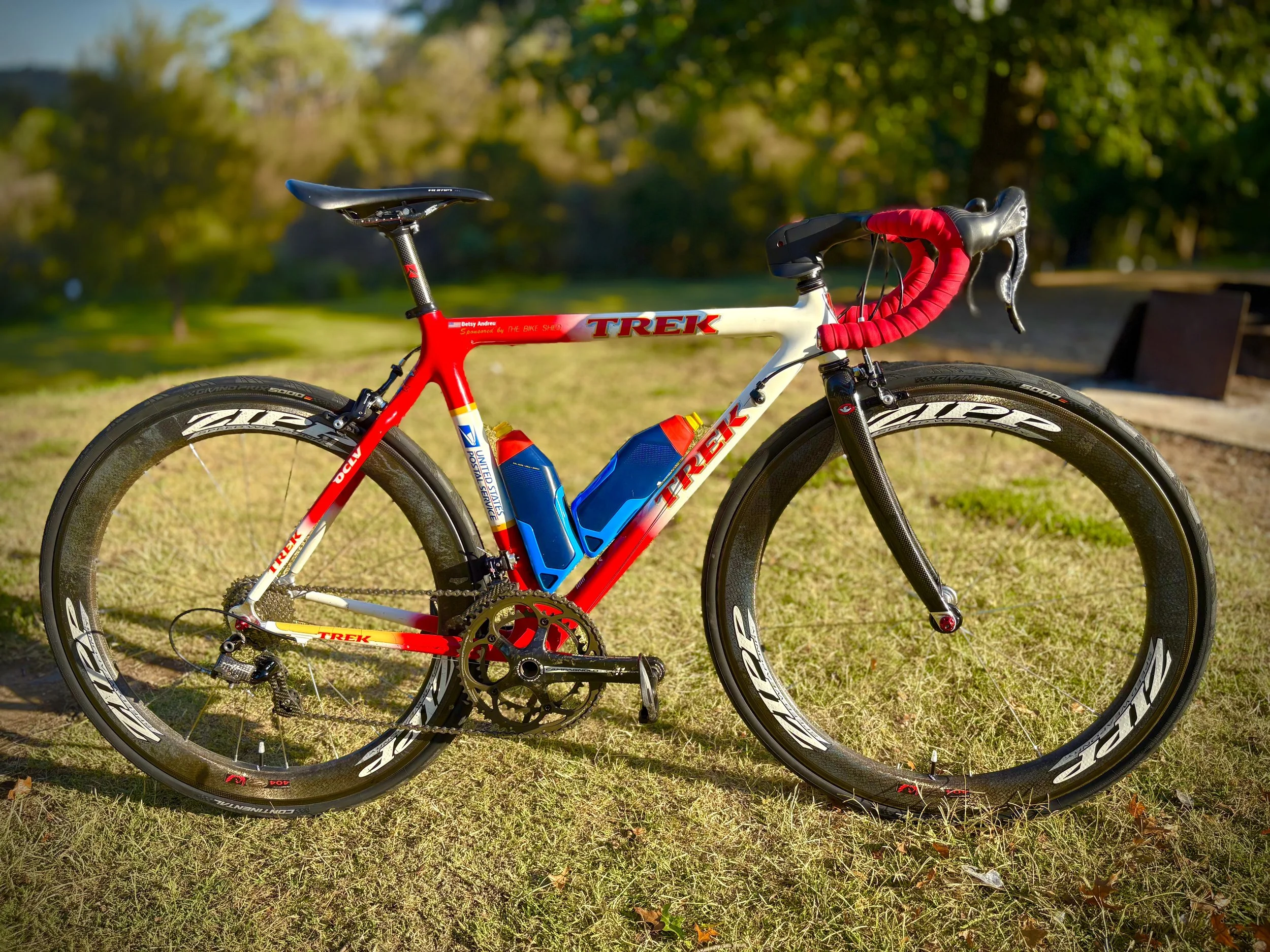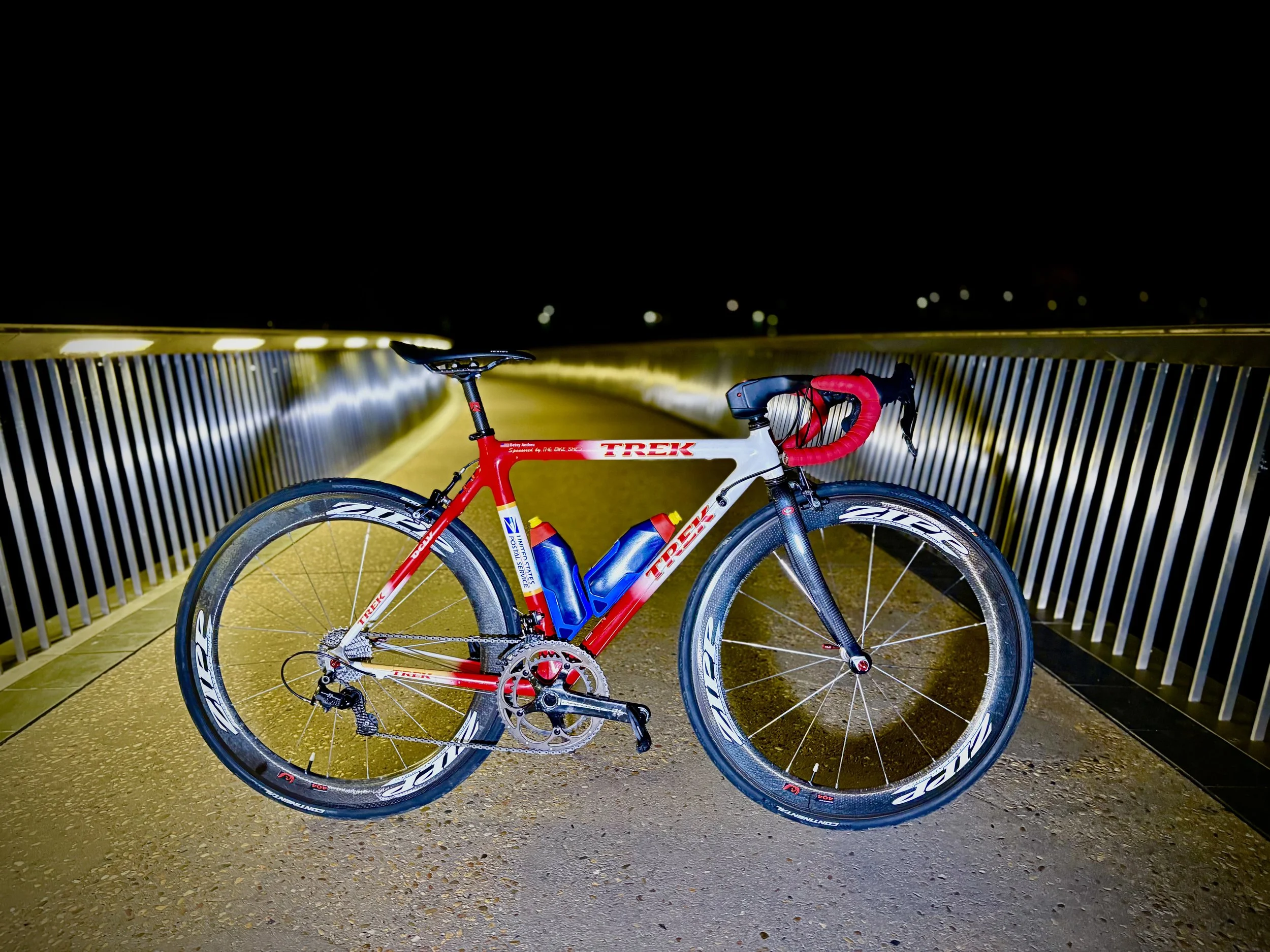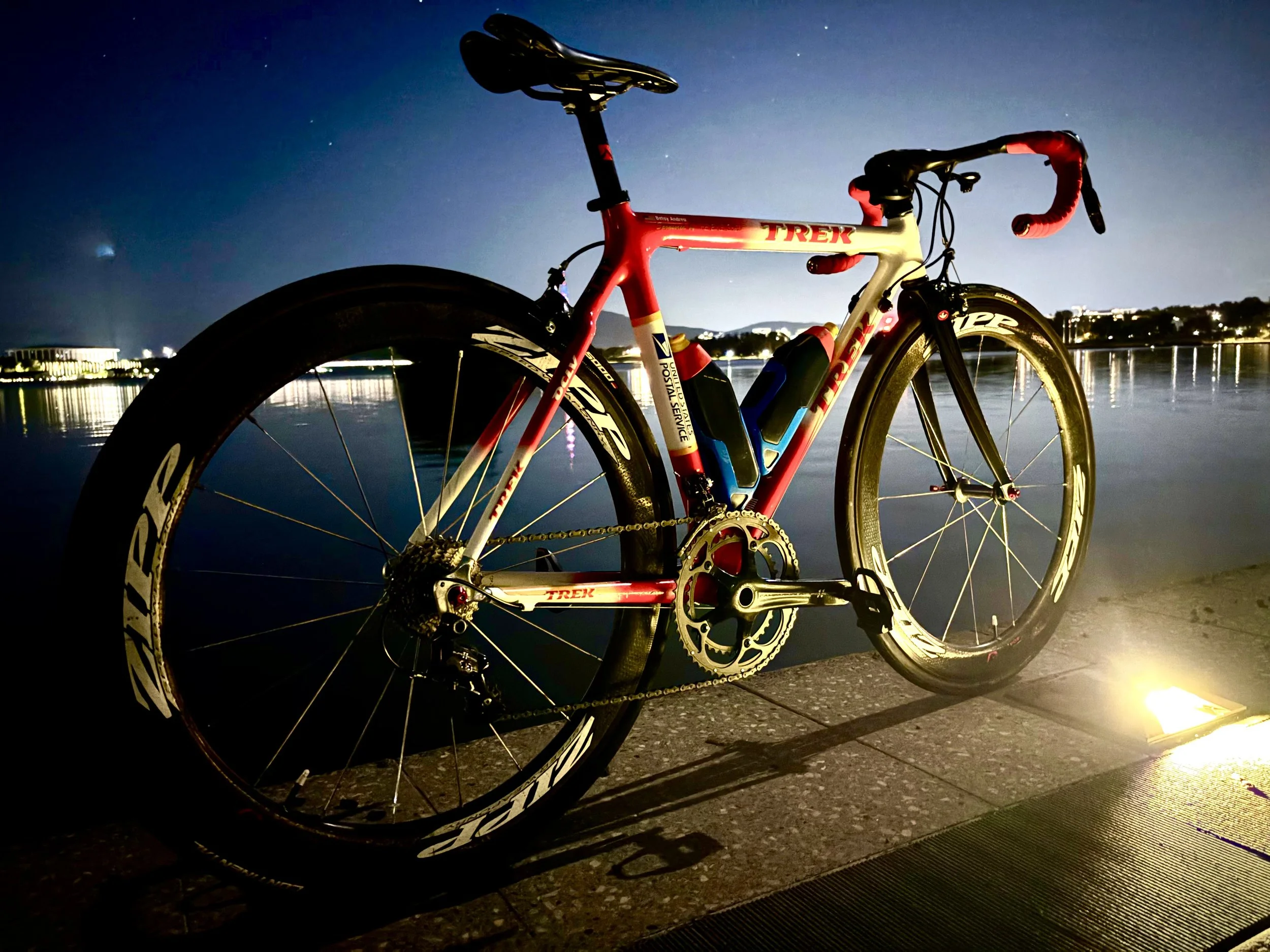
Trek OCLV
Mad One - 1998
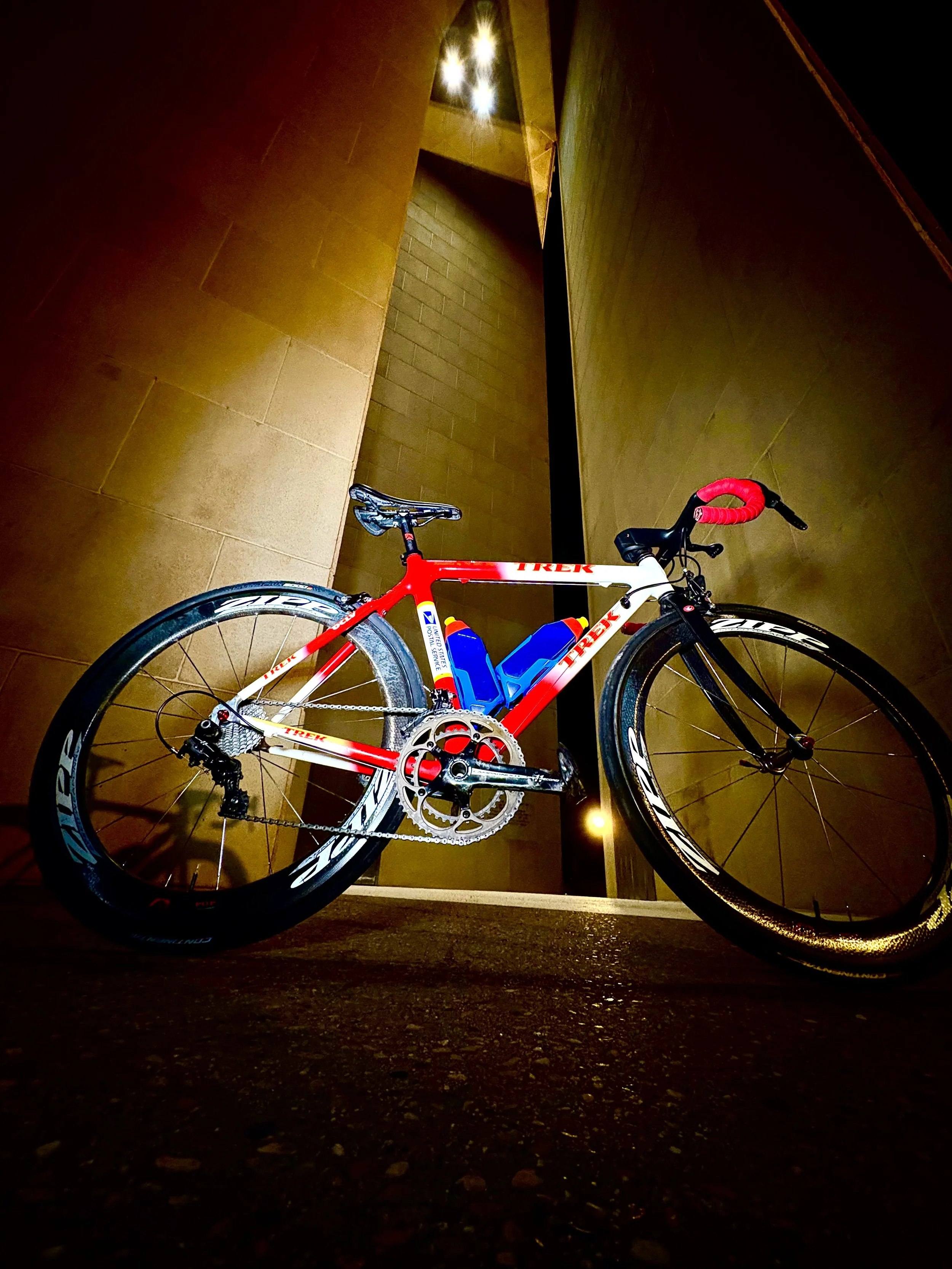
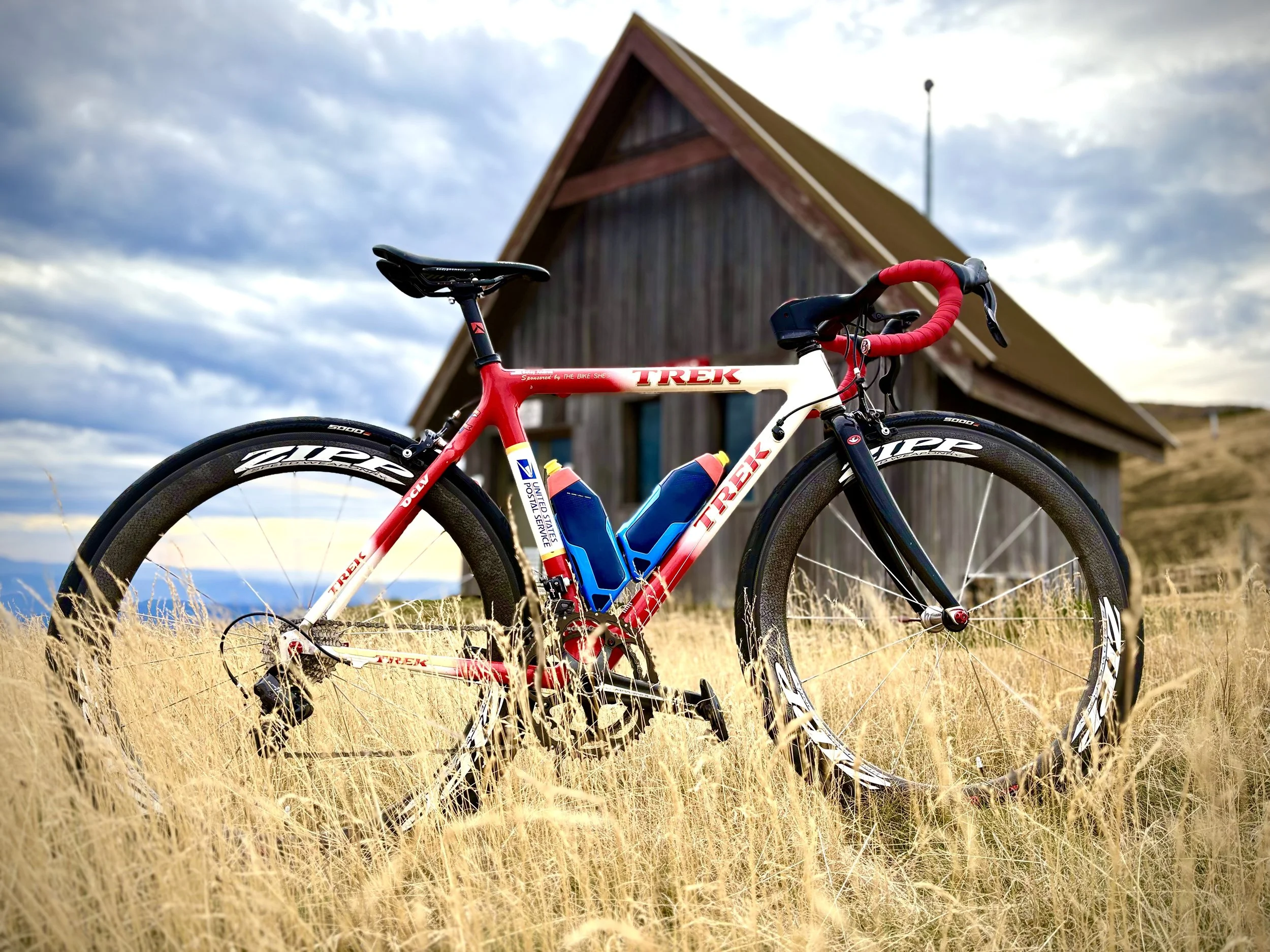
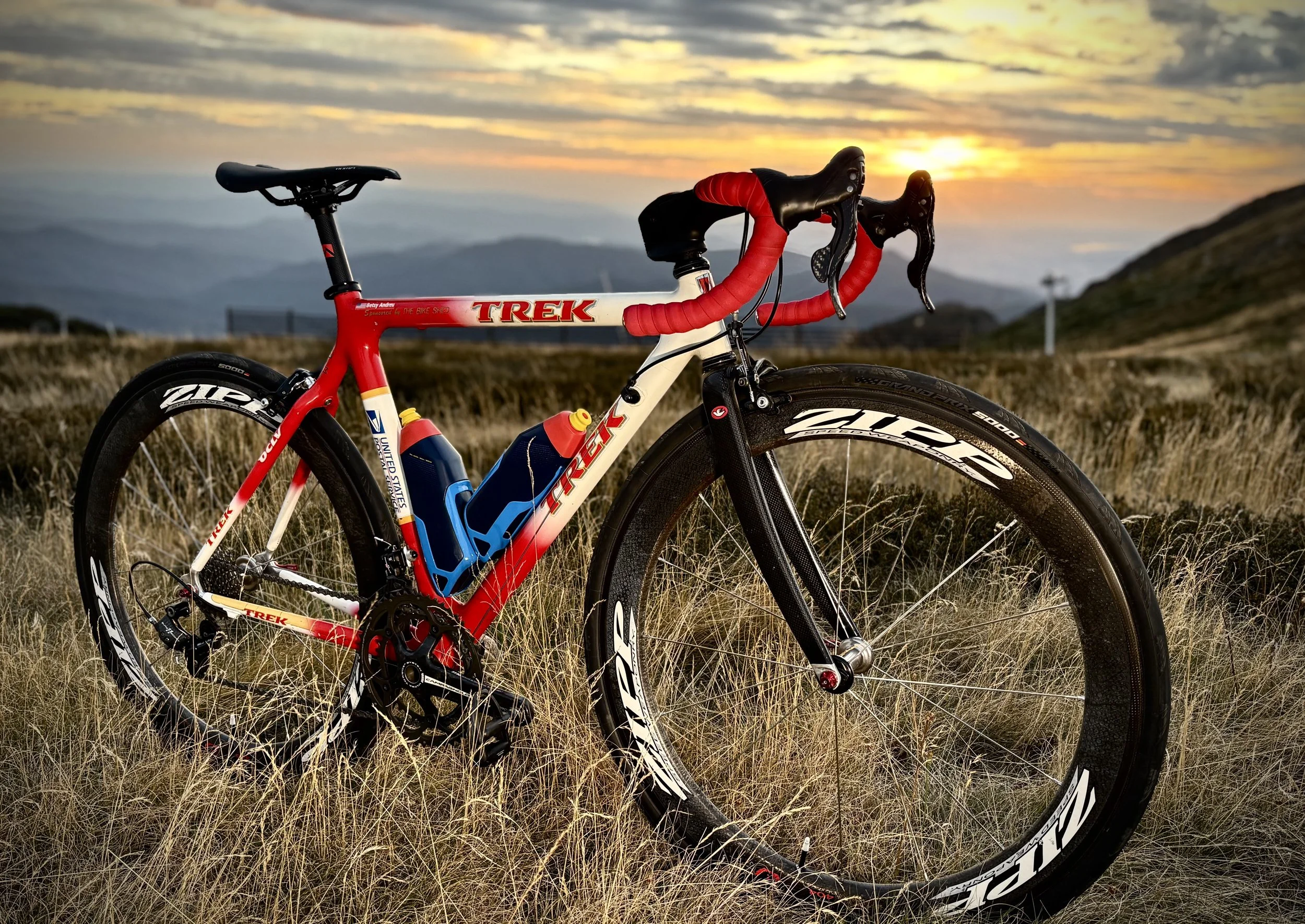
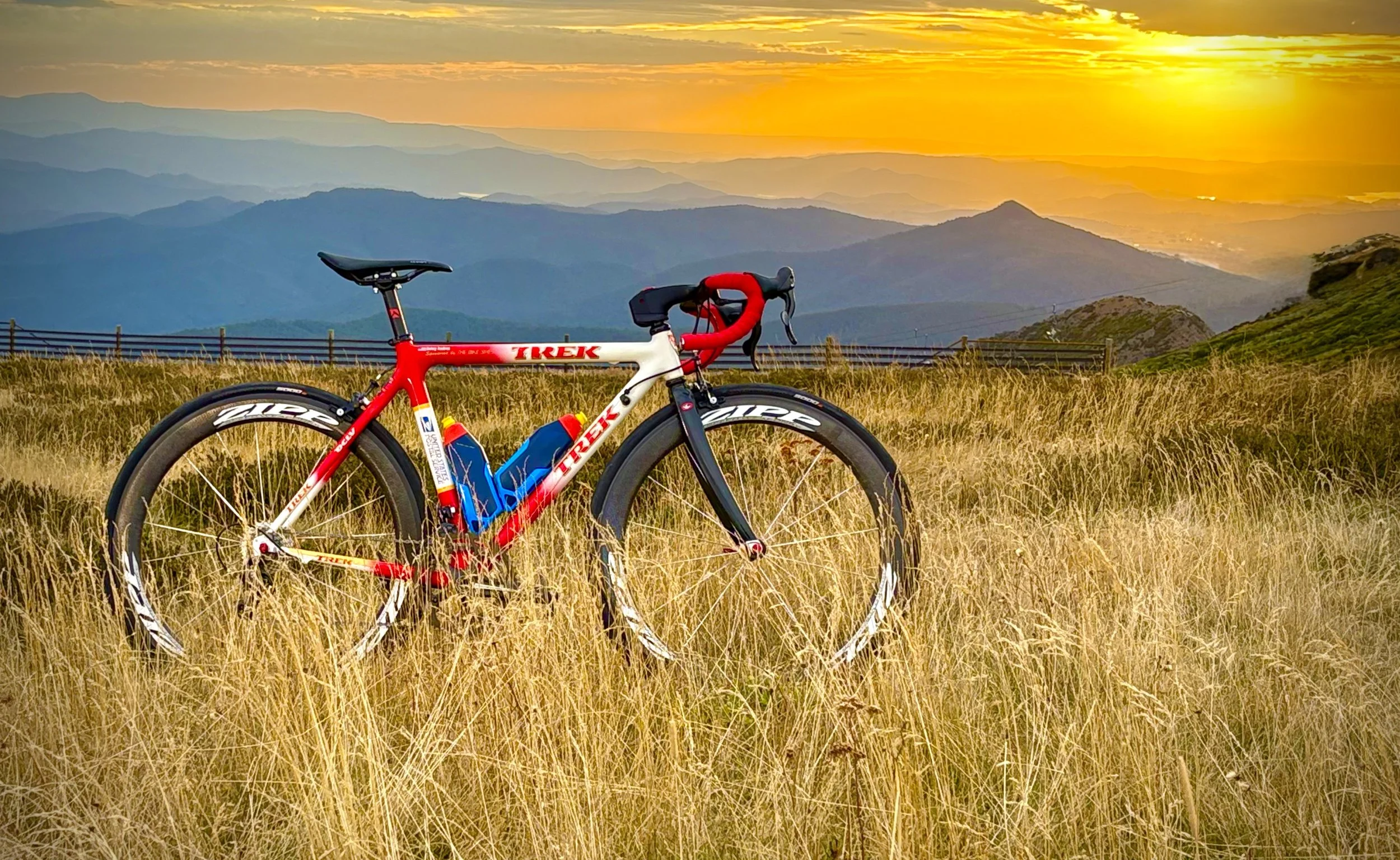
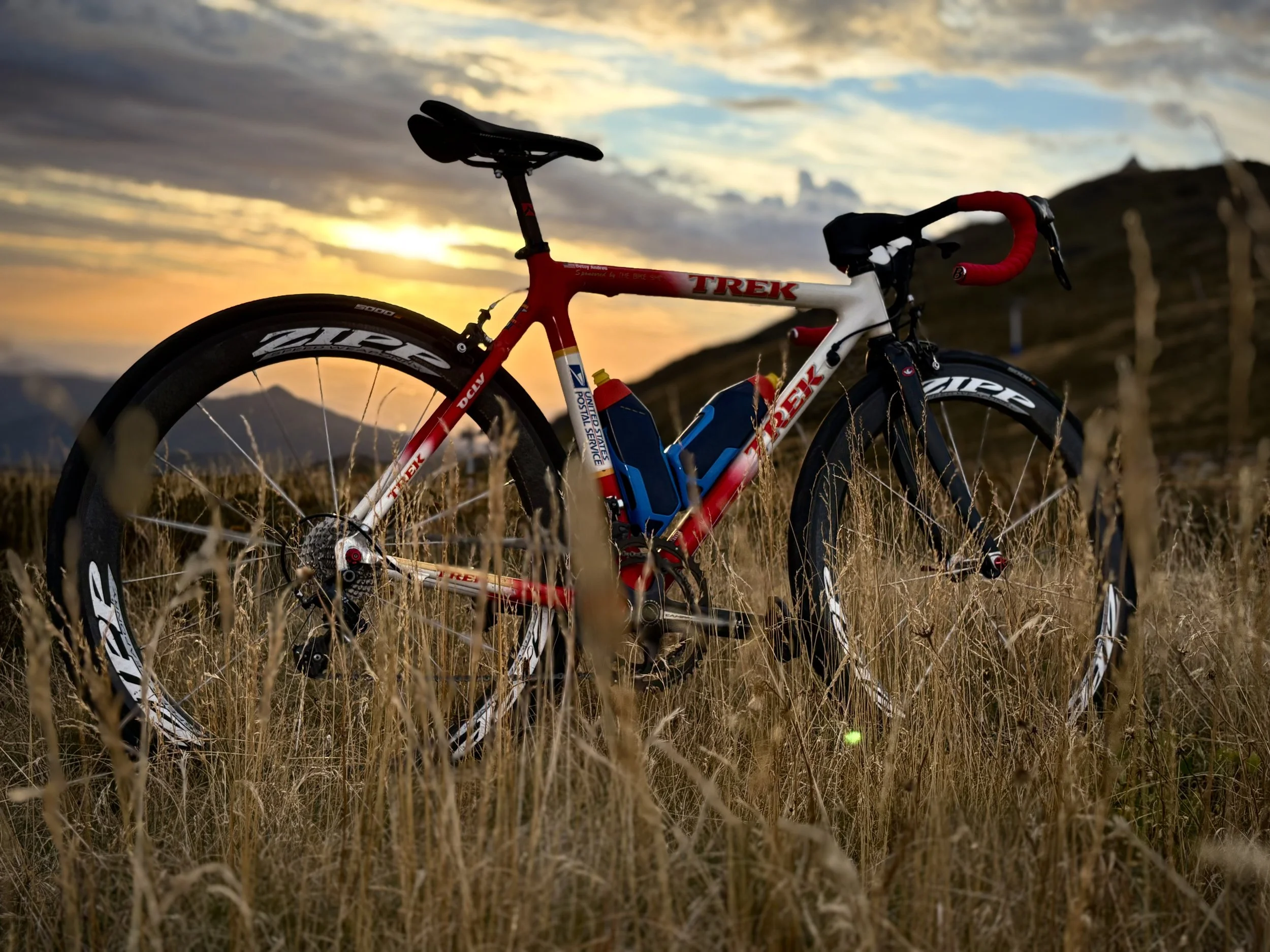
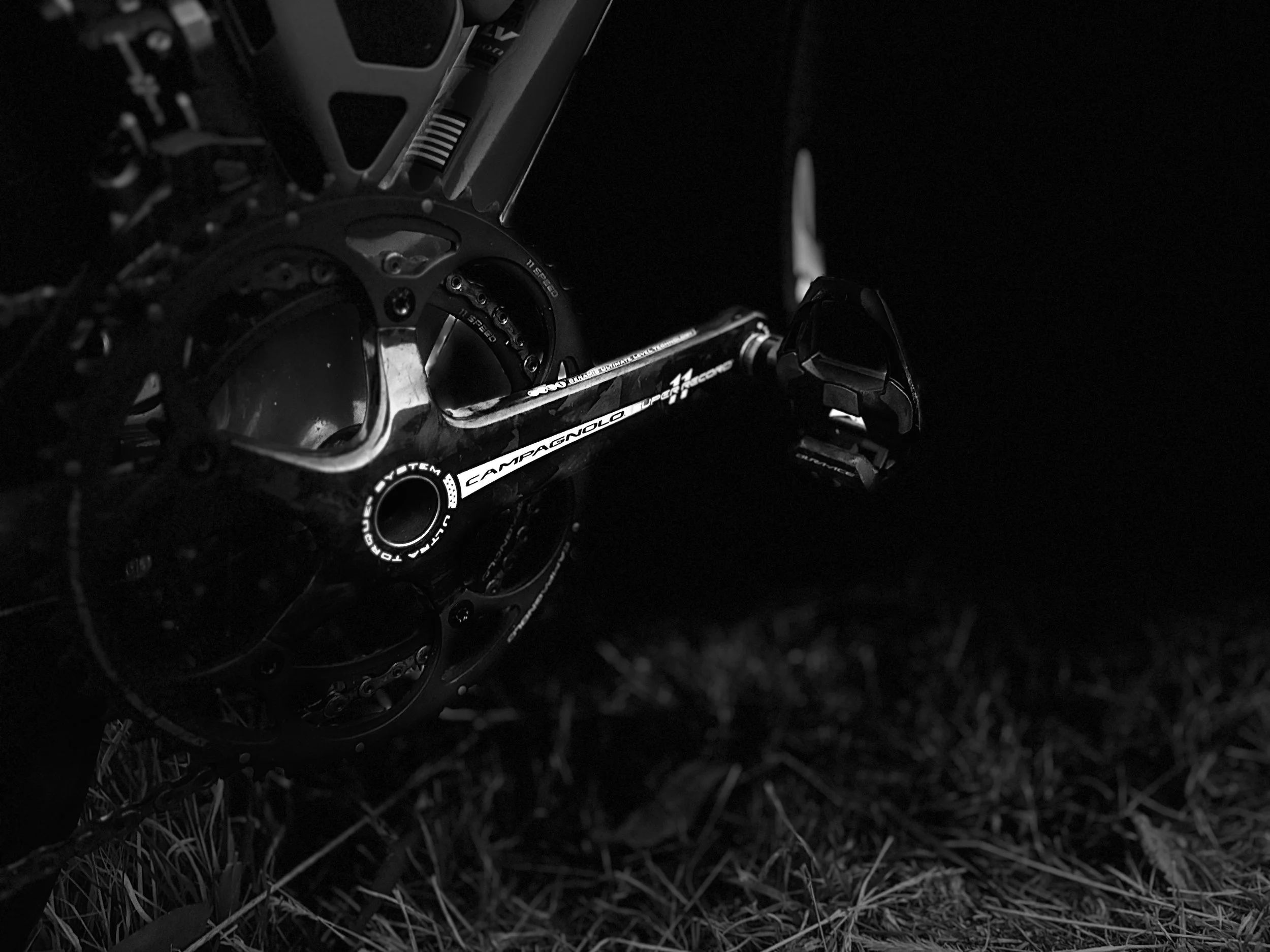
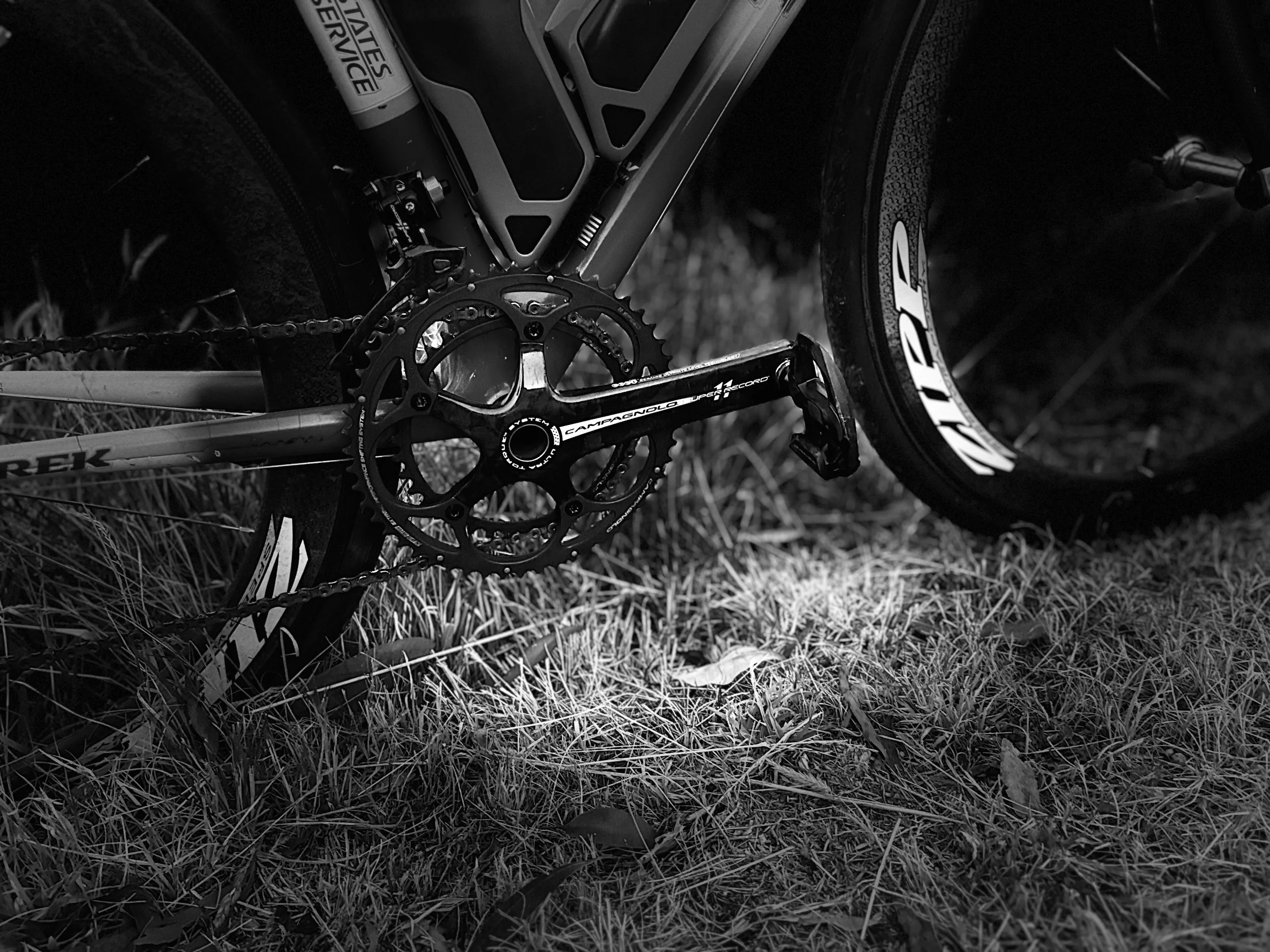
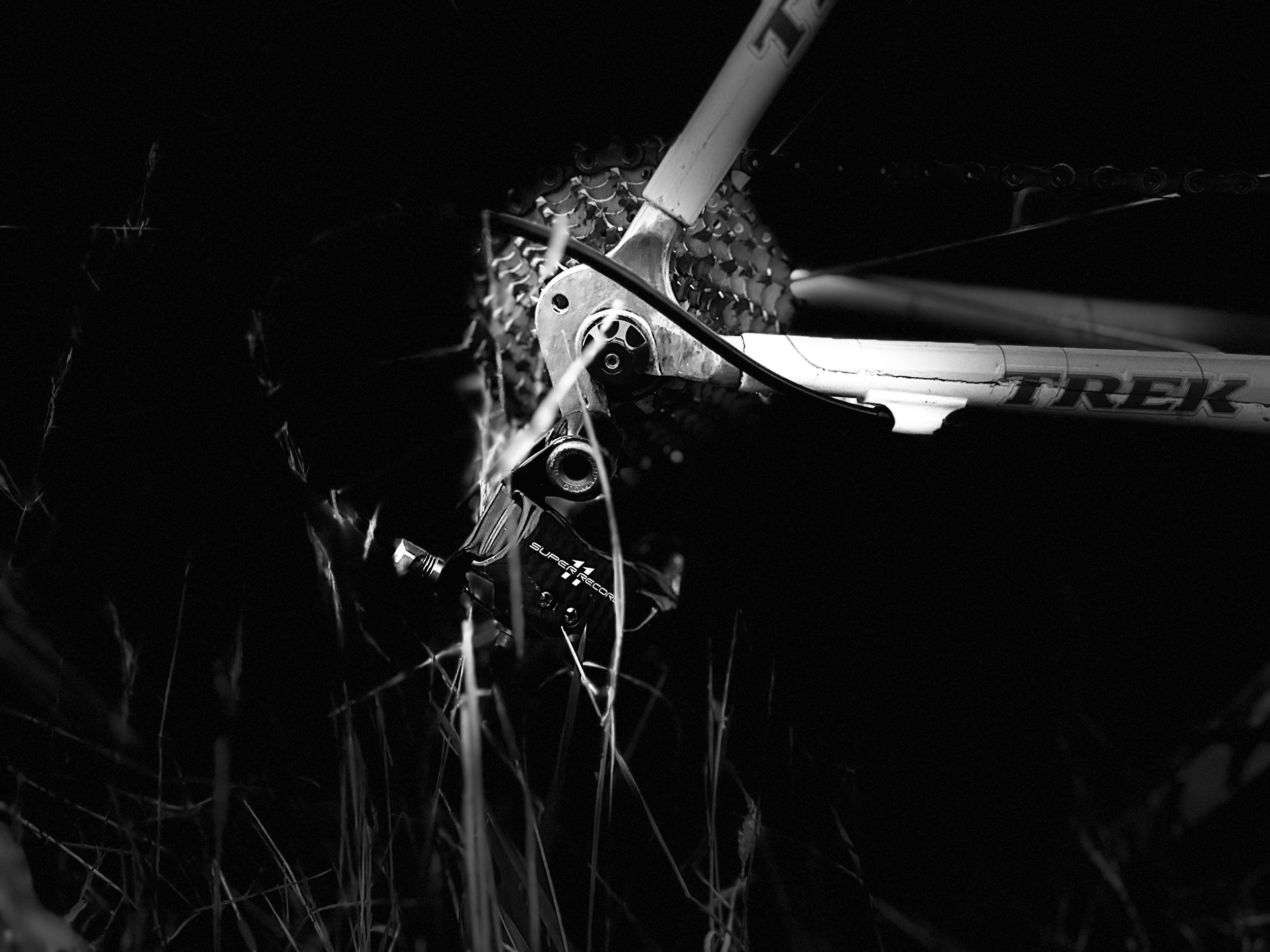
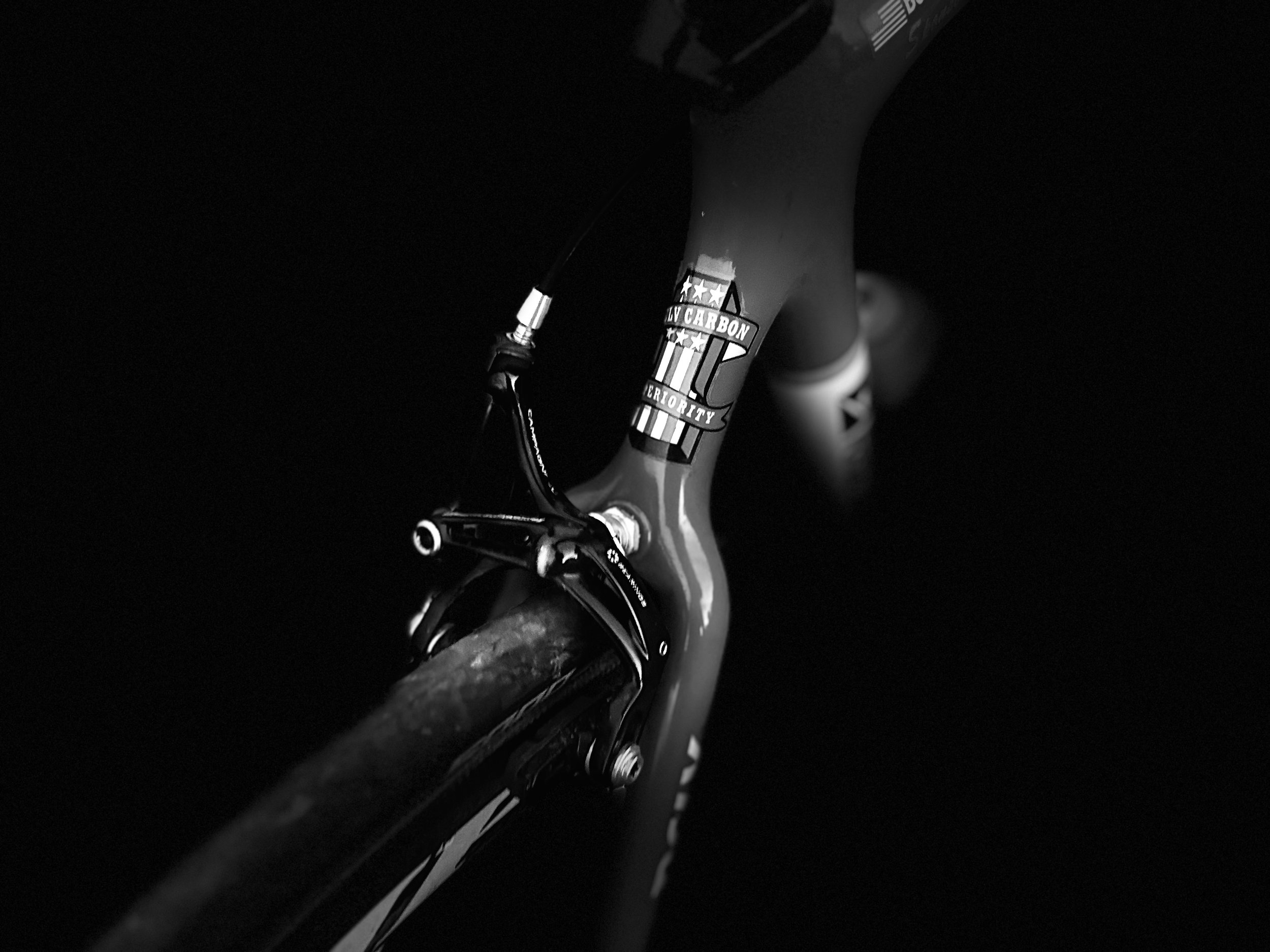
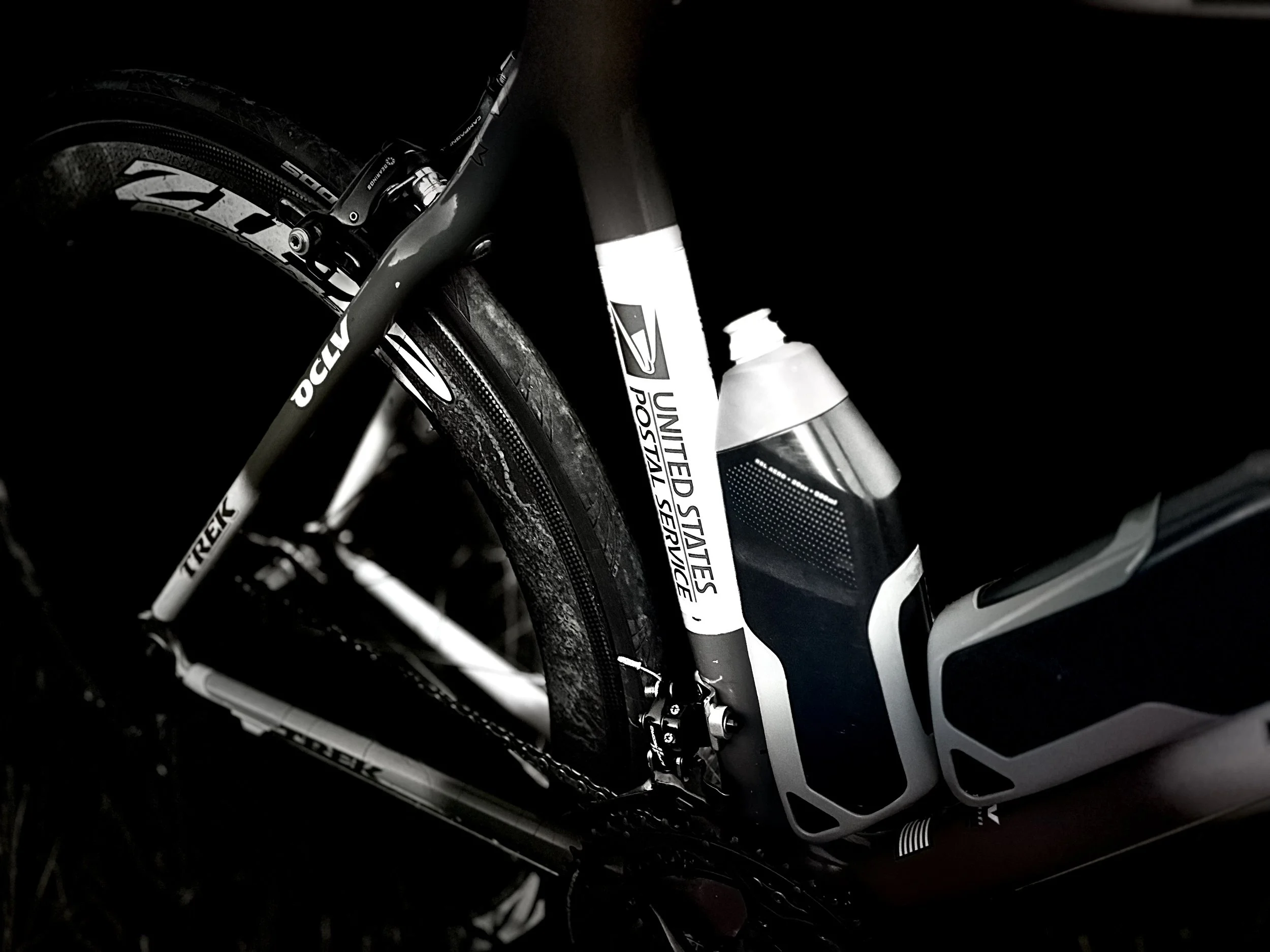
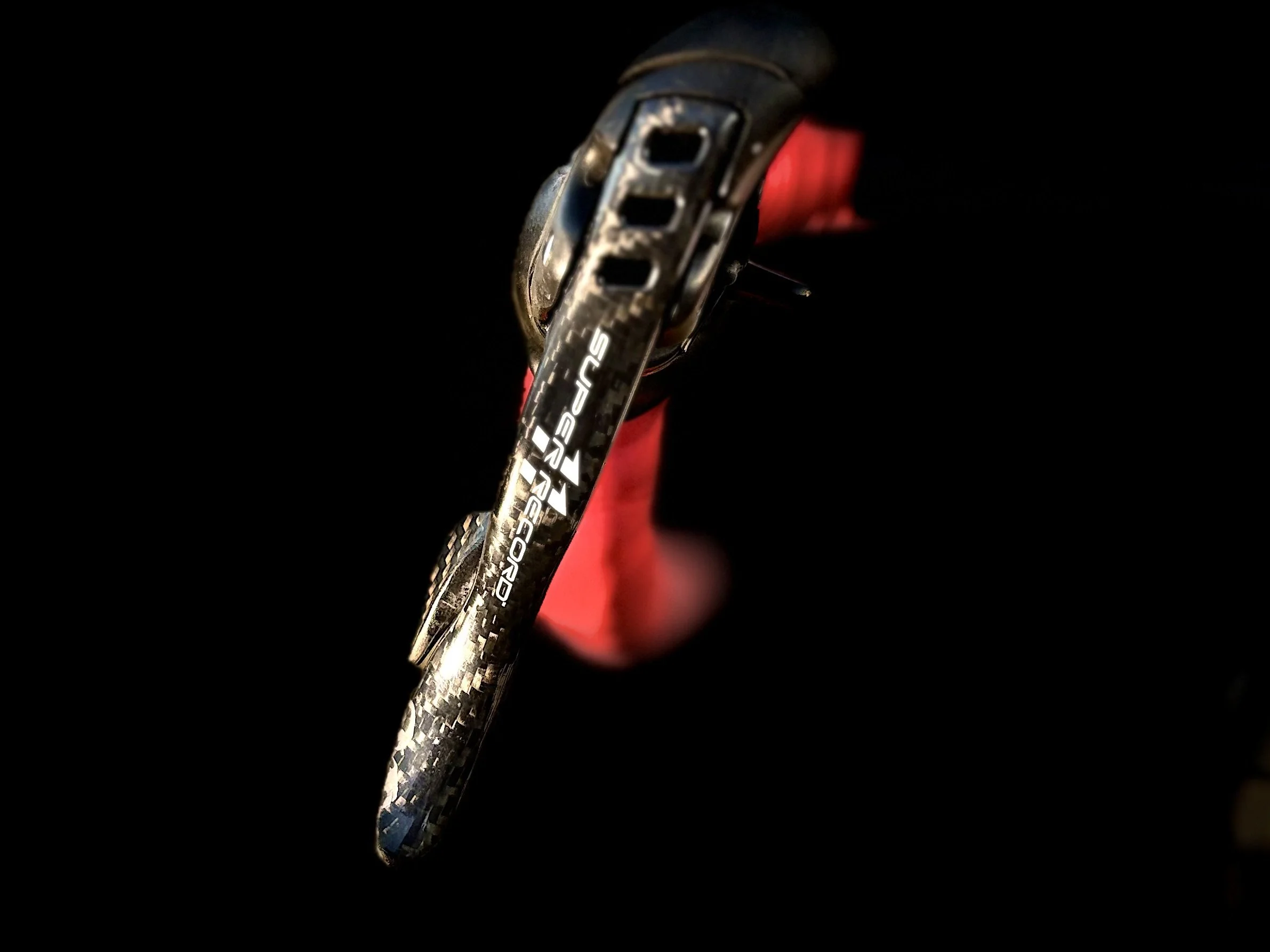
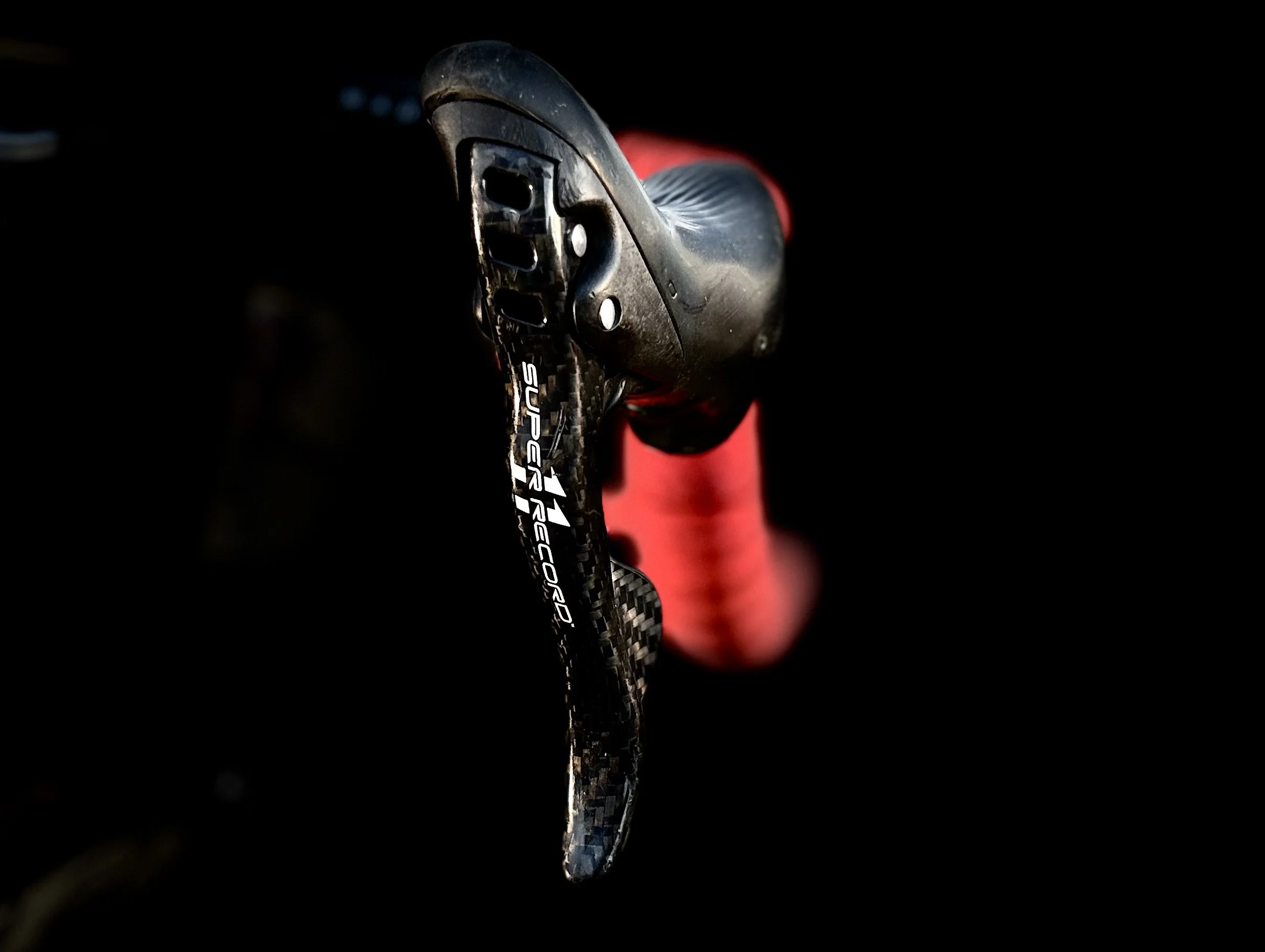
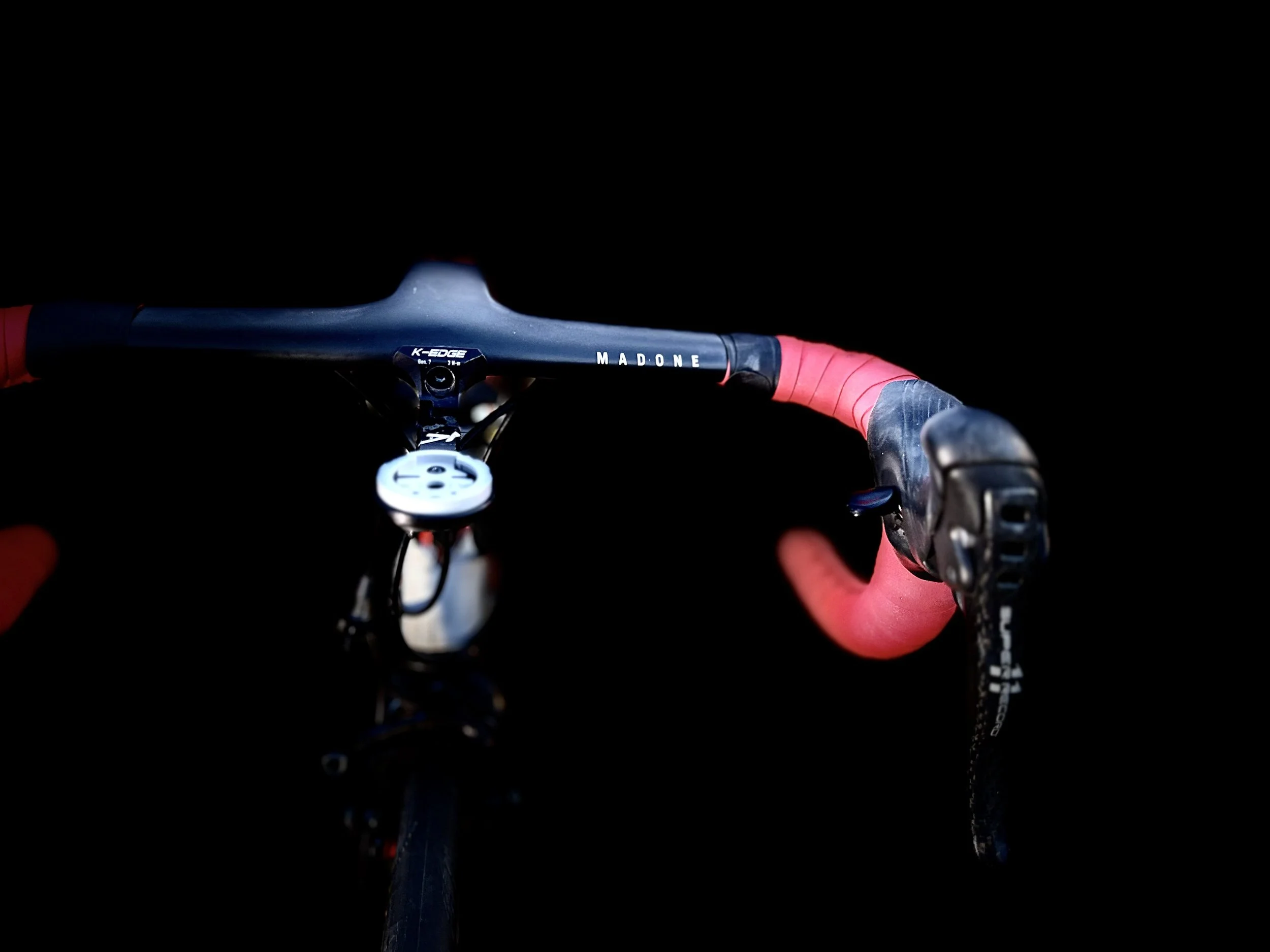
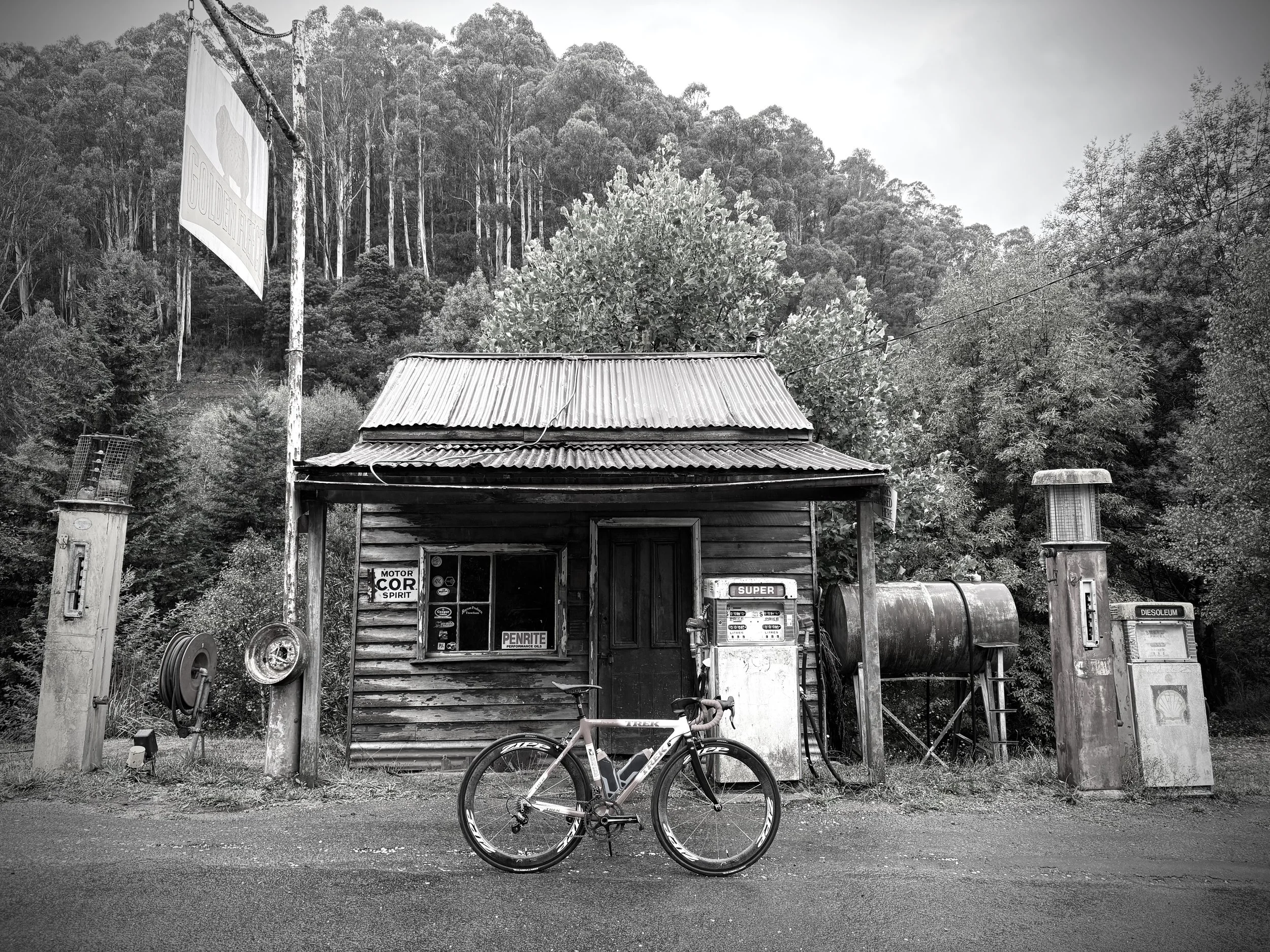
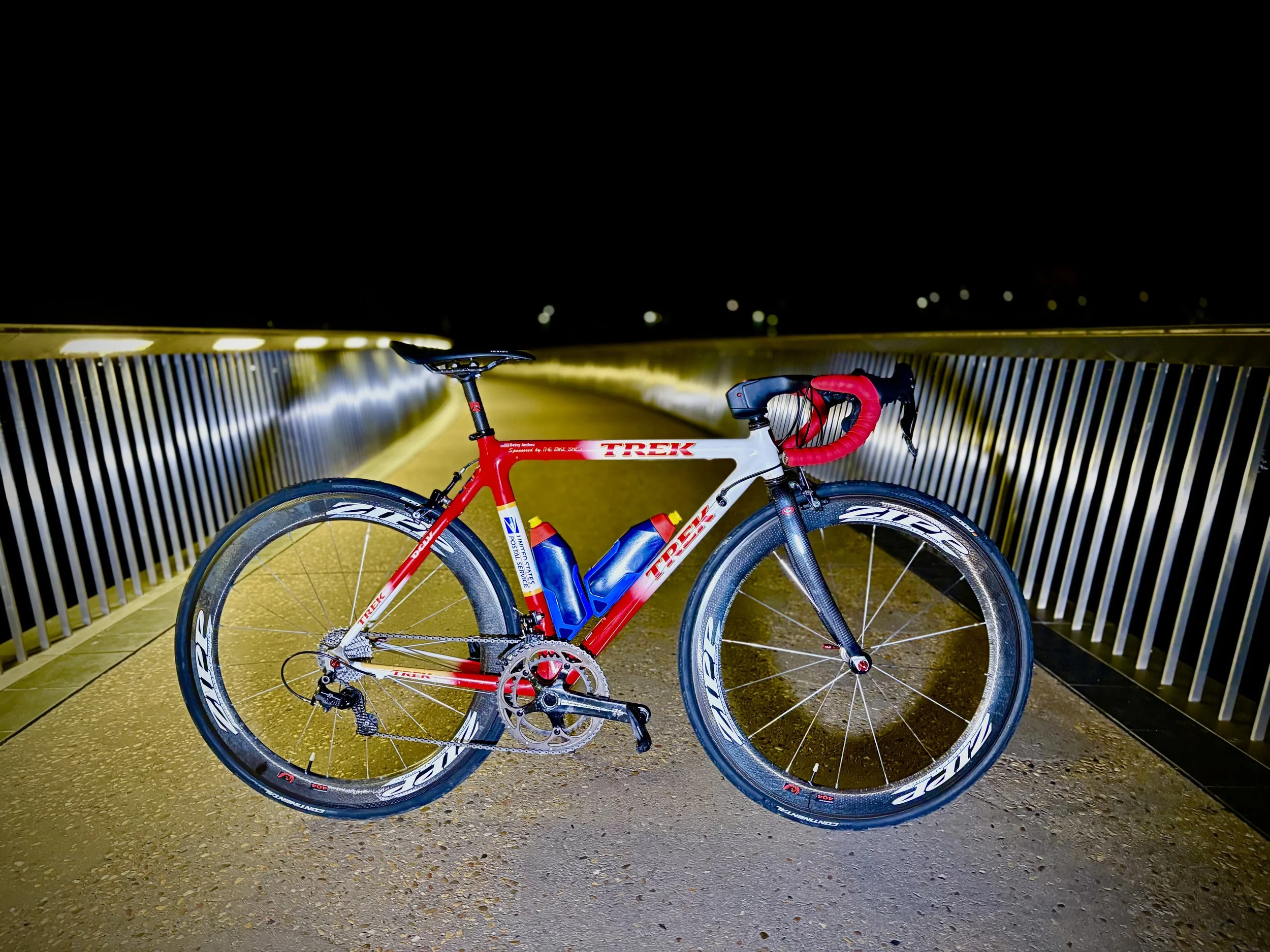
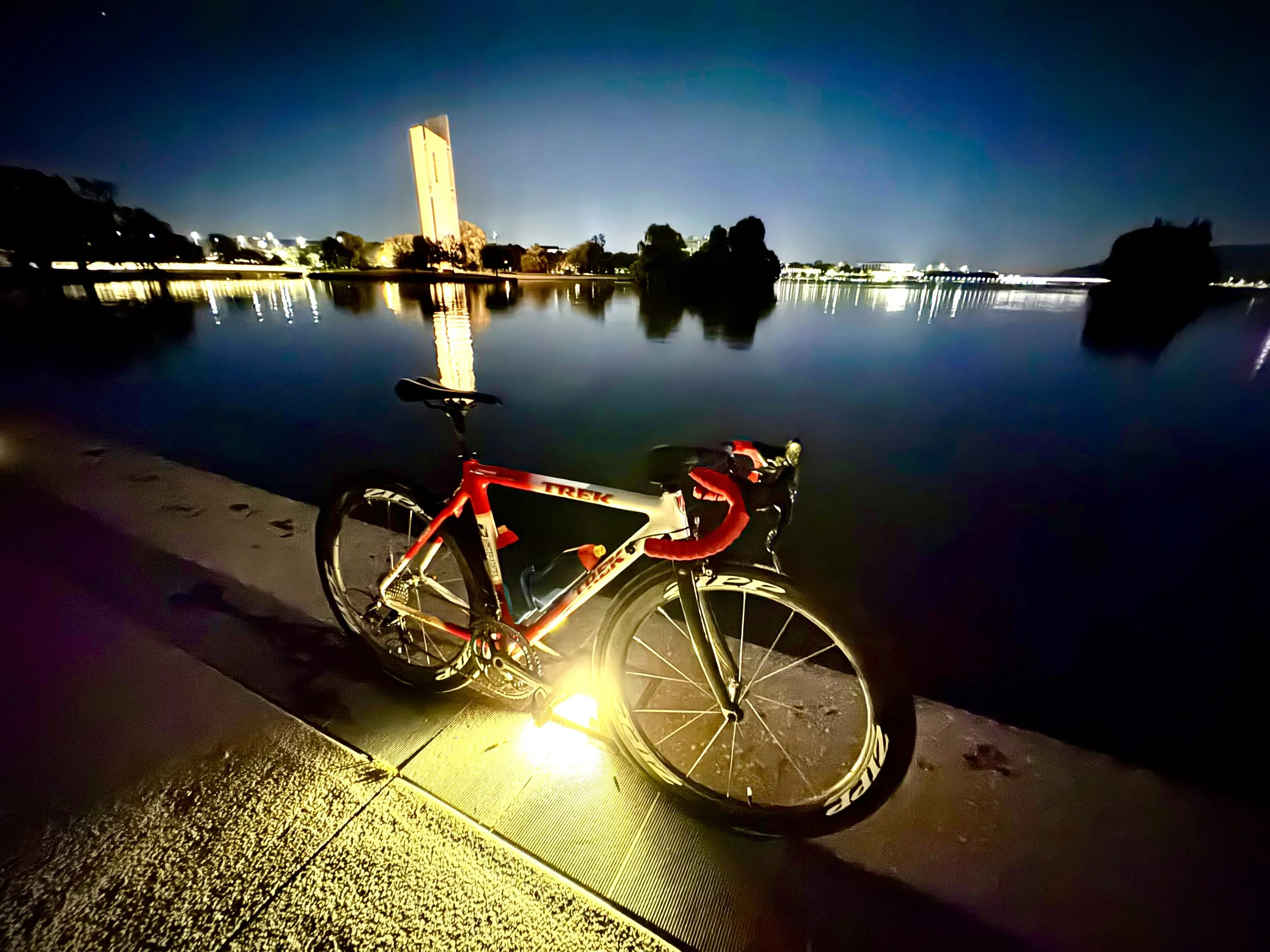
Originally built as a Trek OCLV in 1998, with Dura Ace components, I have modernised and perhaps bastardised the frame with modern components from Campagnolo, Zipp, and the Trek Madone to finish with what I now call a not a Trek “Madone” but rather a Trek “Mad One”.
Bike History
1998 Trek OCLV US Postal – A Revolution in Carbon
The 1998 Trek OCLV US Postal Team Edition was more than just a race bike—it was a statement. In an era dominated by aluminum frames, Trek’s Optimum Compaction Low Void (OCLV) carbon technology set a new benchmark for performance, creating one of the lightest and stiffest frames the pro peloton had ever seen.
The Technology That Changed Cycling
Trek’s OCLV carbon process used high-pressure molding to eliminate voids in the carbon layup, delivering an ultra-light, highly efficient race machine. The result? A frame that tipped the scales at under a kilogram while maintaining the rigidity needed for explosive power transfer. Paired with Shimano Dura-Ace components and Rolf wheels, this bike was built to climb, sprint, and dominate the most demanding races.
A Legacy of Performance and Controversy
The 1998 Trek US Postal was at the heart of a team that redefined professional cycling. It played a crucial role in shaping modern race bike design, proving that carbon fiber was the future. However, its legacy is intertwined with one of the most controversial periods in cycling history, raising the question: was it the bike or something else that led to its dominance?
Regardless of the era’s challenges, the 1998 Trek OCLV remains an engineering marvel—a bike that changed the sport forever. It set the foundation for today’s cutting-edge carbon machines and continues to be a symbol of cycling’s evolution.
Modern Performance Over Doping
1998 Trek US Postal – Modern Performance Over Doping
This 1998 Trek US Postal Team frame has been rebuilt with cutting-edge technology to prove that modern engineering triumphs over the performance gains of the doping era. While the original team relied on questionable methods to dominate the peloton, this project demonstrates that innovation, not shortcuts, is the true key to speed.
A Tribute to Clean Cycling
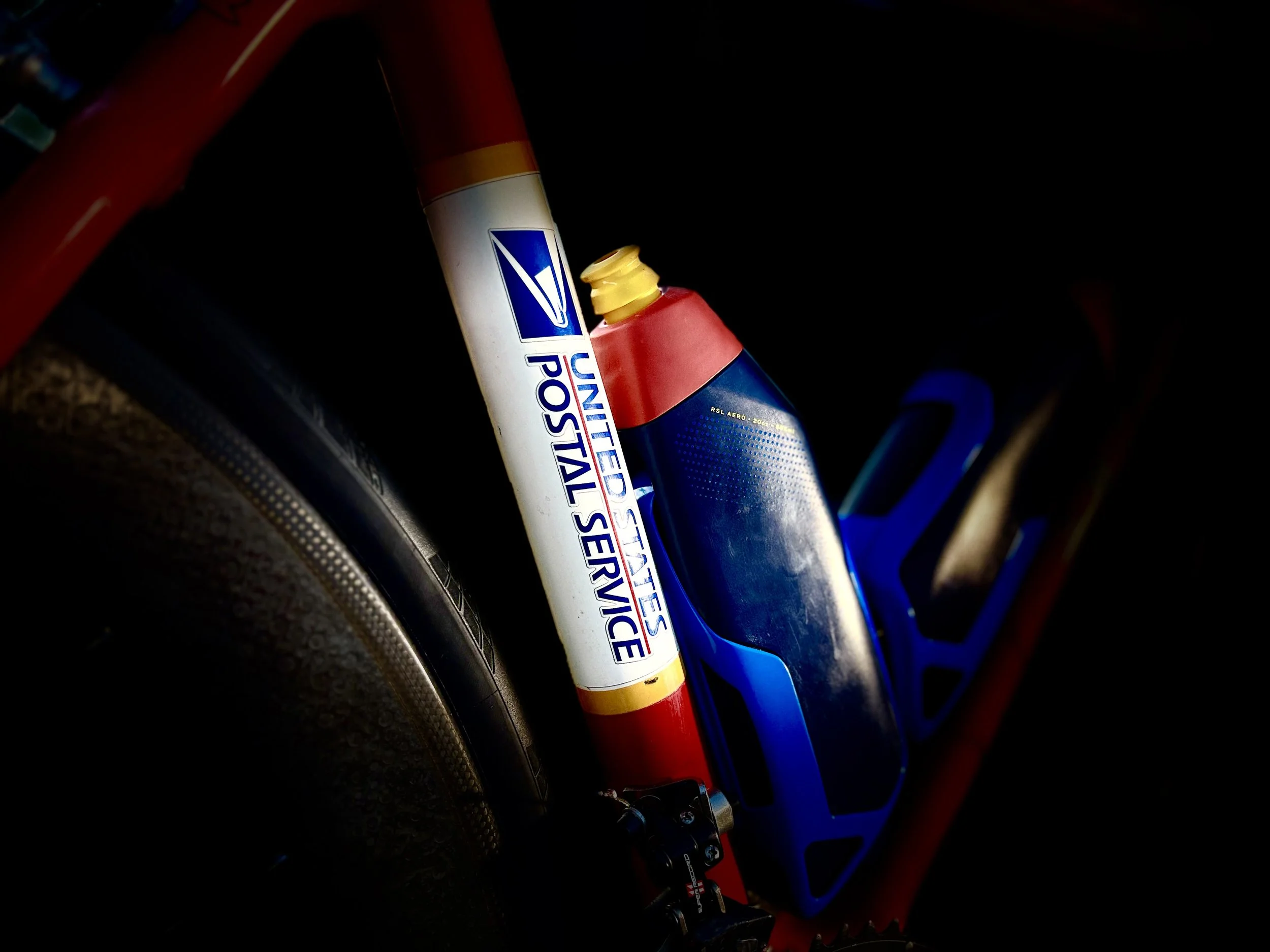
This build is more than just a performance experiment—it’s a statement. By showcasing the power of modern technology, it challenges the legacy of an era tainted by doping. With Betsy Andreu’s name on the frame, this project also stands as a tribute to those who fought for integrity in the sport.
The past can’t be changed, but the future of cycling is ours to define.
Betsy Andreu: The Whistleblower Who Stood for Truth in Cycling
Betsy Andreu never set out to become one of the most important voices in professional cycling’s battle against doping. She wasn’t a rider, a team manager, or a journalist—she was the wife of former US Postal cyclist Frankie Andreu, a respected domestique and teammate of Lance Armstrong. But through her firsthand experiences and unwavering stance on integrity, Betsy played a pivotal role in exposing one of the biggest doping scandals in sports history.
The Early Years: A Close-Knit Cycling Family
In the 1990s, Betsy Andreu was deeply embedded in the cycling world. She and Frankie were close friends with Lance Armstrong, long before he became a global icon. Their friendship extended beyond races; they shared meals, vacations, and life’s milestones.
But behind the camaraderie, Betsy saw things that troubled her. Cycling had long been plagued by whispers of performance-enhancing drug use, but by the late 1990s, those whispers had grown louder. The 1998 Festina Affair, which exposed systematic doping in the peloton, confirmed her suspicions.
She never believed in shortcuts—her values were clear: win clean or don’t win at all.
The Indiana Hospital Room – The Moment of Truth
In 1996, Armstrong was battling cancer, undergoing chemotherapy to fight testicular cancer that had spread to his lungs and brain. During his treatment at Indiana University Hospital, Betsy and Frankie visited him, along with doctors and other close friends.
According to Betsy and Frankie, during that hospital room visit, Armstrong was asked by doctors if he had ever taken performance-enhancing drugs. His response? He allegedly listed EPO, growth hormones, cortisone, steroids, and testosterone—a shocking admission that would become the foundation of one of cycling’s biggest controversies.
Betsy was stunned. She knew doping was common, but hearing it so directly changed everything.
Years later, when Armstrong built a legendary career off of seven Tour de France victories, Betsy was among the few who refused to stay silent.
Standing Against the Machine
As Armstrong’s fame skyrocketed, so did his influence. He wasn’t just a cyclist—he was a global hero, a cancer survivor who had defied the odds. Anyone who questioned him faced swift retaliation.
Betsy and Frankie became targets. Frankie, who had raced clean, was pushed out of the sport, struggling to find jobs within the cycling world. Meanwhile, Betsy’s reputation was attacked—she was labeled bitter, jealous, a liar. Armstrong and his inner circle denied everything, painting her as someone trying to tear him down.
But she never backed down.
She gave testimony during the 2006 SCA Promotions case, where Armstrong was sued over a $5 million bonus payout. She repeated what she had heard in the hospital room. Armstrong and his lawyers dismissed her as unreliable.
Then came the USADA investigation in 2012. Betsy Andreu’s persistence paid off. Armstrong was stripped of all seven Tour de France titles, banned from professional cycling, and exposed as the leader of a sophisticated doping program. The truth had finally come out.
Legacy: The Woman Who Wouldn’t Be Silenced
Betsy Andreu’s role in exposing doping in cycling is one of integrity and resilience. She endured harassment, threats, and public ridicule—but she never wavered.
Today, she is widely recognized as one of the few people who had the courage to tell the truth long before it was popular. She represents a rare kind of honesty in a sport that, for too long, looked the other way.
Her message remains clear: winning at all costs is not worth it if it means compromising your integrity.
In a world where many stayed silent, Betsy Andreu stood up for the truth—and history proved her right.
Current Specifications
Frame: 1998 Trek US Postal Team Edition (OCLV Carbon)
Groupset: Campagnolo Super Record (11-speed) – delivering top-tier precision, beauty and efficiency.
Cockpit: Trek Madone integrated bars – an aero, ergonomic upgrade over traditional stems, they said I couldn’t do it!!!
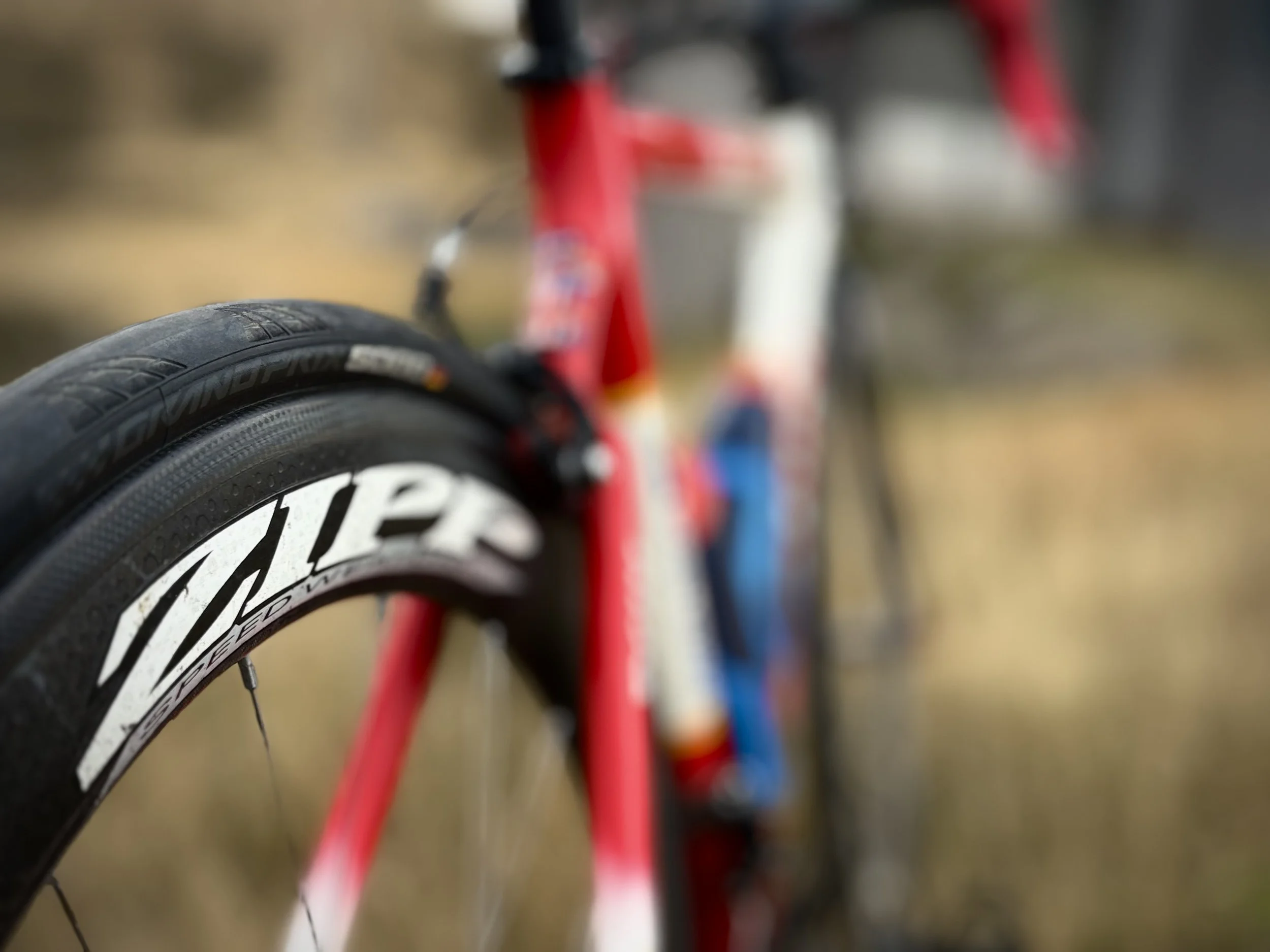
Wheels: Zipp 303 – lightweight and aerodynamic, enhancing climbing and all-out speed.
Tyres: Continental GP5000, 28mm for comfort, traction and performance. I run 70-90Psi depending on ride purpose and conditions.
Concept: A direct comparison between modern equipment advancements and the controversial performance enhancements of the 1998 peloton.
The Story of the 1998 US Postal Team: A Pivotal Year in Cycling
The 1998 US Postal Service Pro Cycling Team was at a crossroads—a team with rising ambitions, cutting-edge technology, and a roster of talented riders determined to make their mark on the international stage. It was a year that set the foundation for their future dominance, but it also took place in an era when professional cycling was undergoing dramatic changes, both in performance and controversy.
Building a Competitive Force
By 1998, the US Postal team had been in the pro peloton for two years, but it was still seen as an underdog compared to European powerhouse teams like Telekom, Mapei, and ONCE. Managed by Johan Bruyneel, the team was undergoing a transformation—recruiting top talent, refining their race strategies, and investing in cutting-edge equipment to gain every advantage.
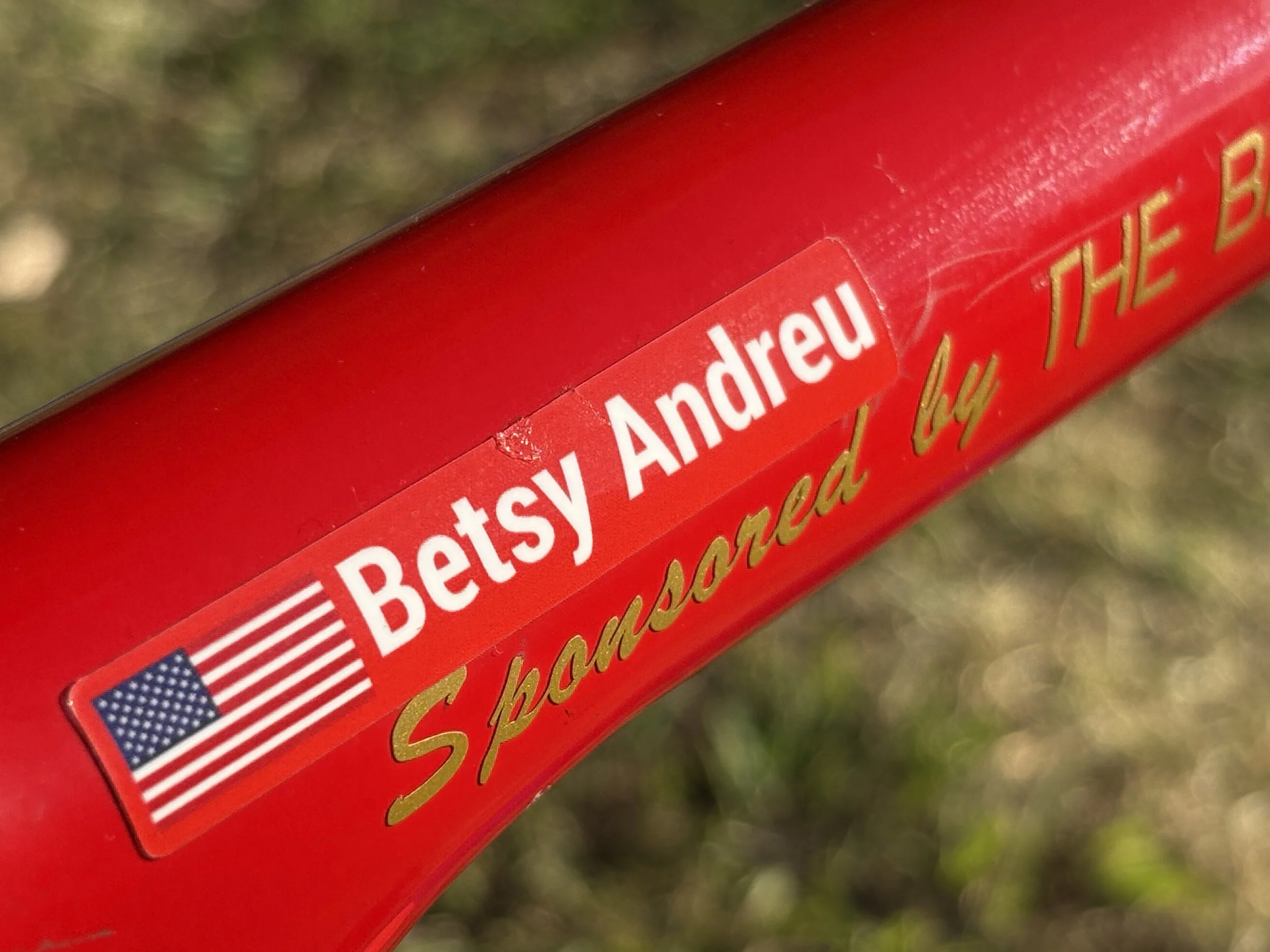
One of their biggest strengths was their partnership with Trek Bicycles. Trek provided the team with its OCLV 5200 and 5500 carbon frames, some of the lightest and stiffest bikes in the peloton. While many rival teams were still riding aluminum frames, US Postal was at the forefront of carbon technology, setting them up for a new level of performance.
A Season of Growth and Challenges
The 1998 season was a proving ground. With a mix of established riders and new talent, the team focused on building strength in stage races. While they didn’t dominate the Grand Tours, they showed signs of becoming a formidable force.
One of the biggest moments for the team was the return of Lance Armstrong, who rejoined US Postal after his battle with cancer. Though Armstrong was still rebuilding his strength, his comeback was seen as a symbol of perseverance and determination.
Other key riders on the team included:
Tyler Hamilton – A strong climber and time trialist, who would play a crucial role in the team’s future success.
George Hincapie – A classics specialist and domestique, known for his strength in one-day races and later as a key support rider in Grand Tours.
Jonathan Vaughters – A talented American climber, adding depth to the team’s stage race ambitions.
While the team didn’t win the Tour de France in 1998, they were laying the foundation for future success. Armstrong’s progression, the team’s investment in technology, and their structured approach to racing would soon propel them into the sport’s elite ranks.
The Era of Innovation—and Controversy
The late 1990s were a transformative period in cycling. Teams were experimenting with new training methods, nutrition, and technological advancements in aerodynamics and weight reduction. But the era was also defined by its dark side—performance-enhancing drugs.
The 1998 Festina Affair, a doping scandal that erupted at the Tour de France, exposed widespread drug use in the peloton. Teams were raided, riders were expelled, and cycling’s credibility took a major hit. Although US Postal was not directly involved in the scandal that year, they would later become one of the most scrutinized teams in the sport’s history.
Years later, investigations revealed that doping had become a systematic practice within many top teams, including US Postal. The team’s dominance in the early 2000s would be questioned, and their legacy became intertwined with one of the biggest scandals in sports history.
Legacy of the 1998 US Postal Team
Looking back, the 1998 season was the turning point for US Postal. It was the year they fine-tuned their strategies, invested in cutting-edge bikes, and began their rise to the top of professional cycling. While their success would later be overshadowed by doping revelations, the 1998 Trek OCLV remains a symbol of the era’s technological advancements.
The story of the 1998 US Postal team is one of ambition, innovation, and controversy. It represents both the potential of clean performance and the realities of a sport struggling with integrity.
The question remains: How much of their success was the bike—and how much was something else?